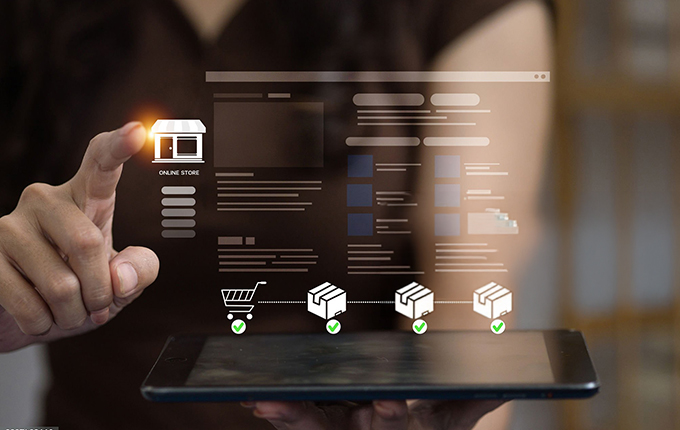
In today’s competitive landscape, businesses can no longer afford fragmented supply chain operations. When systems are disconnected—across procurement, warehousing, transportation, and delivery—it leads to delays, miscommunication, and inefficiencies.
End-to-end supply chain integration is the solution.
By connecting every stage of the logistics lifecycle into a single unified platform, businesses gain complete visibility and control over their operations. This integration ensures that data flows seamlessly between departments, eliminating silos and improving coordination.
Platforms like MyHubPlus enable organizations to manage their entire supply chain—from order creation to final delivery—within one system. This not only reduces manual effort but also enhances accuracy and speed.
One of the biggest advantages of integration is improved decision-making. With access to real-time data, businesses can quickly identify bottlenecks, optimize routes, and allocate resources more effectively.
Additionally, integrated systems enhance collaboration between stakeholders, including suppliers, transporters, and warehouse teams. Everyone works with the same data, reducing errors and improving efficiency.
As businesses grow, scalability becomes critical. A unified platform ensures that operations can expand without increasing complexity.
In a world where speed and efficiency define success, end-to-end supply chain integration is not just an advantage—it’s a necessity for sustainable growth.